
Clinical Insights

  • The Art & Science of Explaining Pelvic Pain

    The evidence is now conclusive - educating patients about the science of pain is an essential component of treating persistent pain. Exploring how pain experiences are constructed in response to dangers and threats in our bodies and influenced by our thoughts, beliefs and context and the insight and knowledge gained throughout this process can be one of the keys to recovery. We first wrote a blog article on this topic in 2016; The Importance Of Pain Science Education that concluded with a call to action for clinicians working with persistent pelvic pain (PPP) patients - Considering biopsychosocial factors in PPP and combining these with pain science education provides an exciting new tool for effective management and hope for both patients and practitioners.
  • Pelvic Organ Prolapse - An update on evidence based conservative management approaches

    Pelvic Organ Prolapse (POP) is an extremely common condition where one or more of the pelvic organs (such as the bladder, uterus, or bowel) descend from their normal position and bulge into the vagina due to weakness in the pelvic floor muscles (PFM) and connective tissues. POP is often classified by stages, ranging from Stage 1 (mild descent) to Stage 4 (complete eversion).1
  • Transperineal Ultrasound (TPUS): An Exciting Technology

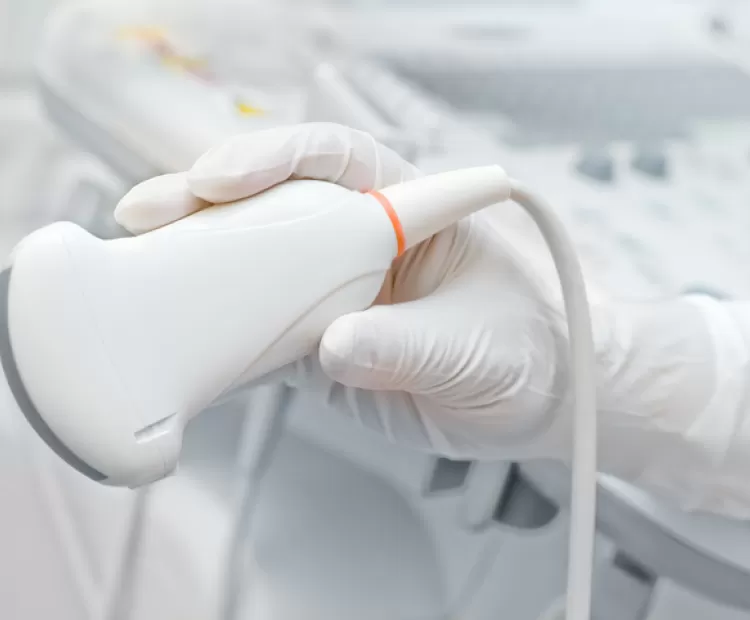
    Real time 2D transperineal ultrasound imaging is emerging as an exciting technique for both pelvic floor muscle assessment and training.  Far superior to the transabdominal approach, it’s a valuable tool to use with patients before or after radical prostatectomy, prolapse, pelvic pain, obstructed defecation, or voiding dysfunction.
  • Nocturia – More Than Just a Bladder Issue

    Nocturia is often dismissed by patients and their health care providers as a trivial condition and normal part of ageing when in fact it is an independent predictor for early death(1).
  • Postnatal Return to Running – A Framework for Health Professionals

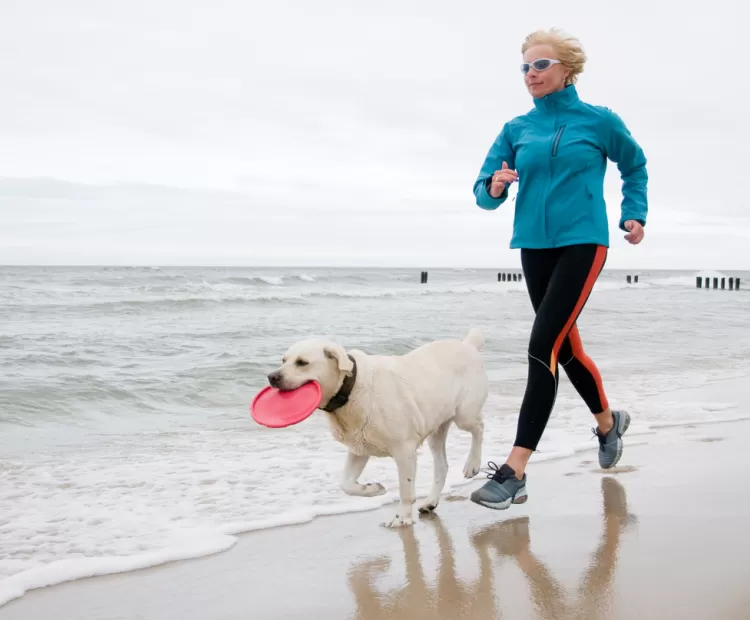
    As health professionals supporting women following birth, we often find ourselves being asked “when can I return to running – it’s the form of exercise that works best for me.” In the back of our minds is wanting to prevent the occurrence of the statistic we all know well - 1 in 3 women will experience pelvic floor dysfunction after childbirth.

Pelvic Health Matters

New name.
Same exceptional care.

Formerly known as Women’s & Men’s Health Physiotherapy, our new name reflects both what we believe in and what we do. We have an unwavering belief that pelvic health matters for everyone, at every stage of life.

Same phone number: 03 8823 8300
New email: physio@pelvichealth.com.au